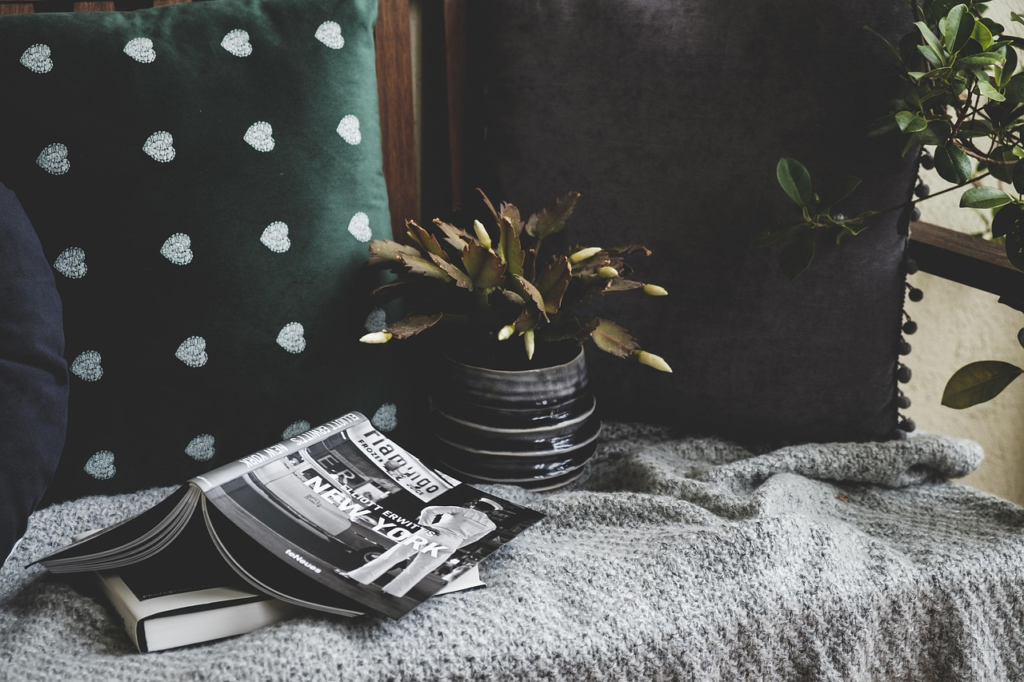
Still Photography is one of the purest and most artistic forms of photography. It involves capturing objects, scenes, products, or moments that don’t move — yet telling a story that sparks emotion, curiosity, or admiration. Whether it’s fine art, product photography, food styling, lifestyle setups, or everyday objects, still photography transforms simple things into powerful visual expressions.
In today’s world, where visuals hold extraordinary value, still photography has become essential for artists, brands, businesses, and content creators. In this blog, we will explore what still photography is, why it matters, how to do it professionally, and the tips that make your still images stand out beautifully.
What Exactly Is Still Photography?
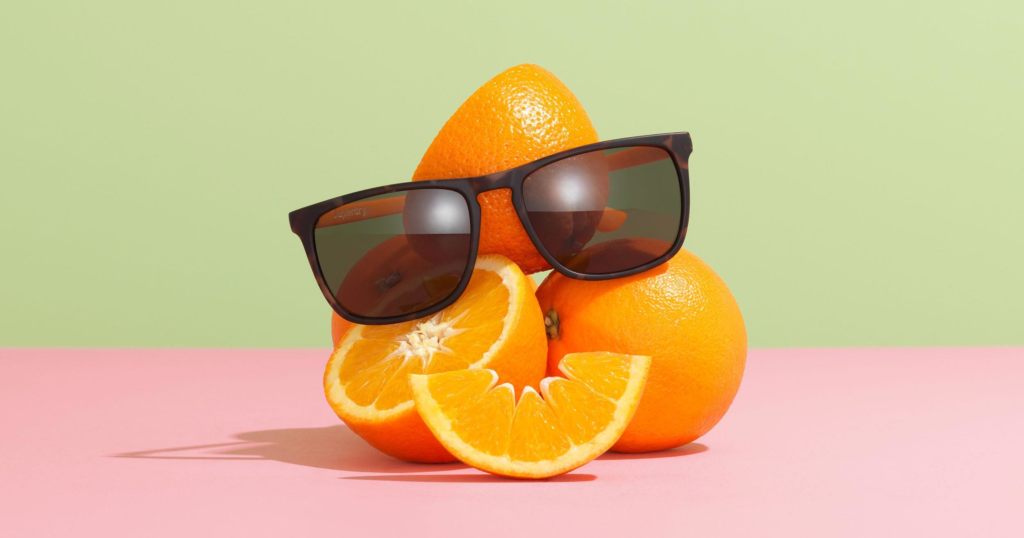
Still photography, also known as still-life photography, focuses on capturing static subjects — objects that do not move. These can include:
- Food
- Products
- Jewelry
- Flowers
- Books
- Décor items
- Everyday household things
- Artistic elements
The goal is to create a visual story using composition, lighting, mood, color, and placement. Unlike candid or event photography, still photography gives complete creative control to the photographer — from styling to background to positioning of every tiny detail.
It brings together creativity, patience, and technical skill to transform lifeless objects into meaningful visuals.
Why Still Photography Matters in Today’s Visual World
Still photography plays a crucial role across multiple industries. Here’s why it has become more important than ever:
Essential for E-commerce and Brands : Products need clear, aesthetic, high-quality pictures to attract customers. Still photography helps brands build trust and increase sales.
Perfect for Advertising & Marketing : From billboards to brochures to social media ads, still images communicate product quality and lifestyle appeal.
Ideal for Artists & Creators : Photographers use still-life to explore creativity, color combinations, and lighting experiments.
Captures Details Like No Other Genre : Textures, patterns, edges, shadows, and reflections — still photography highlights details beautifully.
Boosts Social Media Content : Minimalist flatlays, food photos, product shots, and aesthetic compositions perform extremely well on platforms like Instagram and Pinterest.

Types of Still Photography You Should Know
Still photography includes several creative categories. Each style uses unique arrangements, lighting setups, and storytelling techniques.
Product Still Photography : Used for e-commerce, catalog images, beauty brands, and tech products. Focuses on clarity, lighting, and background.
Food Still Photography : Highly popular in restaurants, food blogging, cookbook designs, and café marketing.
Jewelry Still Photography : Captures shine, texture, and intricate details using macro lenses.
Fine Art Still Photography : Objects are arranged artistically to create mood, emotion, or storytelling.
Lifestyle Still Photography : Combines props to create realistic, relatable setups — like morning coffee shots, desk flatlays, or home décor scenes.
Minimalist Still Photography : Uses simple, clean compositions with negative space.
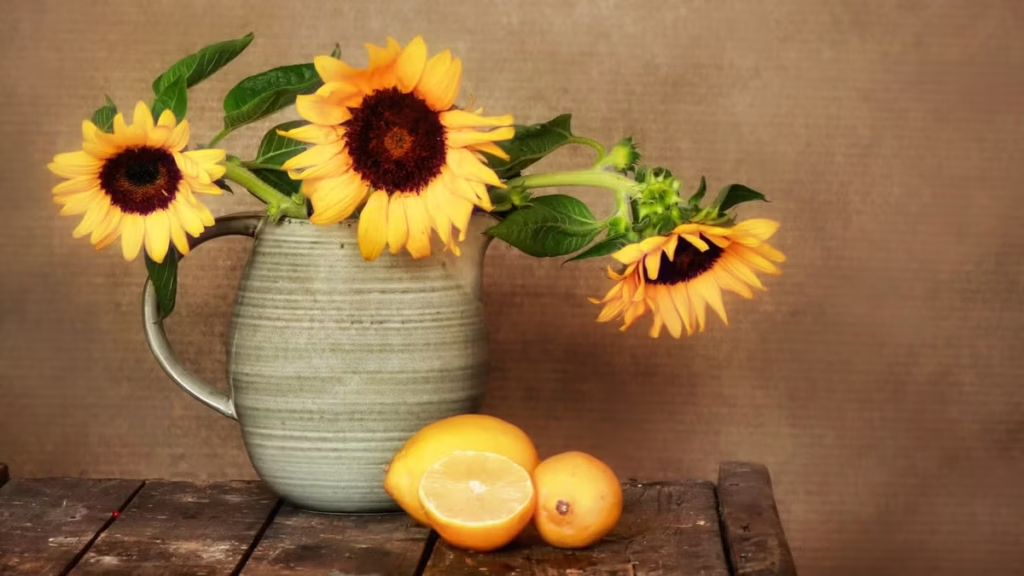
How Still Photography Works: Behind-the-Scenes Process
Still photography may look simple, but the behind-the-scenes process is deeply creative and technical.
Concept & Story Planning
Before shooting, photographers plan:
- Mood
- Color theme
- Object placement
- Styling
- Backgrounds
- Storytelling angle
Lighting Setup
Lighting is everything in still photography.
- Soft natural light for food and lifestyle
- Studio lights for products
- Hard directional light for dramatic art shots
- Reflectors and diffusers for balancing shadows
Camera & Lens Selection
Common choices:
- Macro lenses for jewelry and texture
- 50mm or 85mm prime lenses for artistic stills
- Wide-angle for flatlays
- Telephoto for product compression
Styling & Composition
Artists use:
- Props
- Background textures
- Fabric
- Flowers
- Books
- Stones
- Wooden boards
Composition techniques like Rule of Thirds, Symmetry, Leading Lines, and Texture Contrast guide the viewer’s eye.
Post-Production
Editing enhances:
- Sharpness
- Shadows & highlights
- Color tones
- Vibrance
- Background cleanup
- Texture clarity
Post-processing gives still images a polished, professional finish.
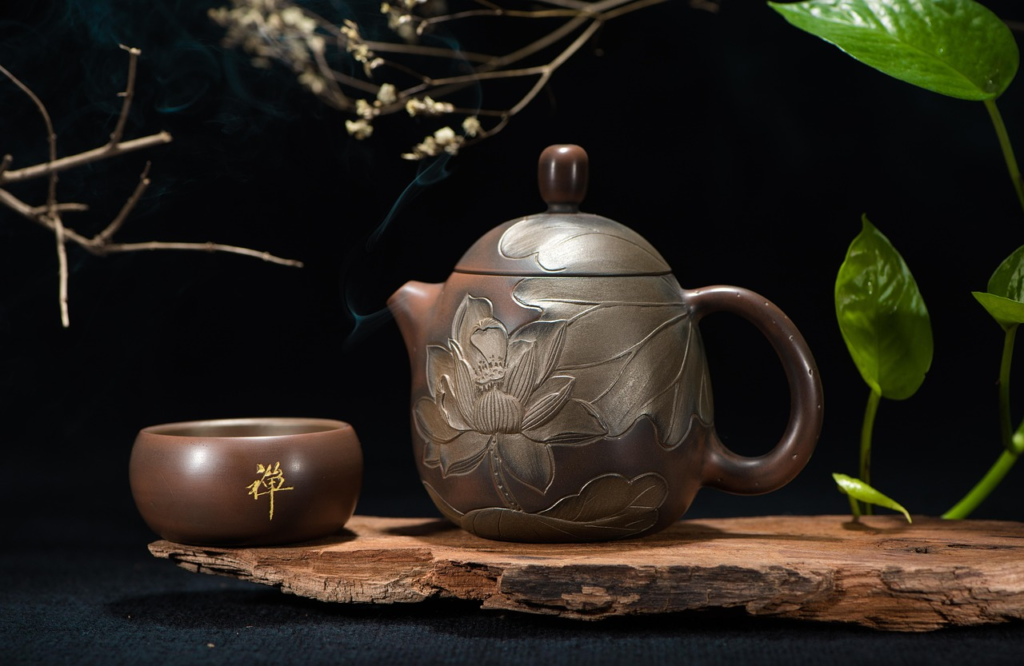
Why You Should Choose Professional Still Photography
A professional photographer brings expertise that makes a huge difference in quality.
Perfect Product Presentation : Professionals know how to highlight shape, color, and texture.
Expert Knowledge of Light : They understand how different lighting styles affect mood and clarity.
High-Quality Editing : Professional retouching removes flaws and enhances aesthetic appeal.
Brand Consistency : Good still photography maintains uniform style across all images — essential for branding.
Creative Styling Skills : Photographers create beautiful sets that elevate simple objects into captivating visuals.
For businesses, professional still photography directly impacts customer trust and sales.
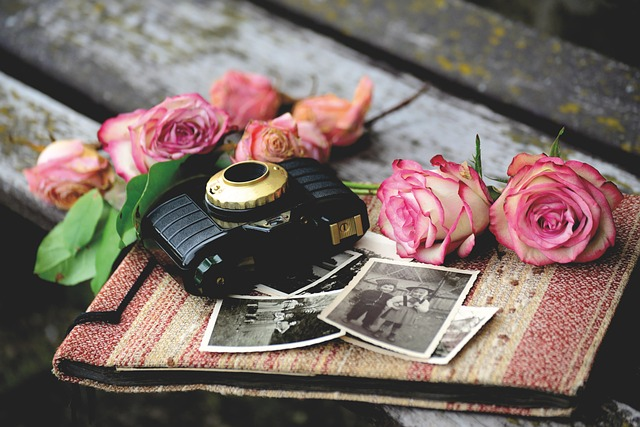
Trends in Still Photography You Should Know
Still photography evolves continuously with trends that boost visual appeal:
Minimalist Scenes : Clean backgrounds with fewer objects.
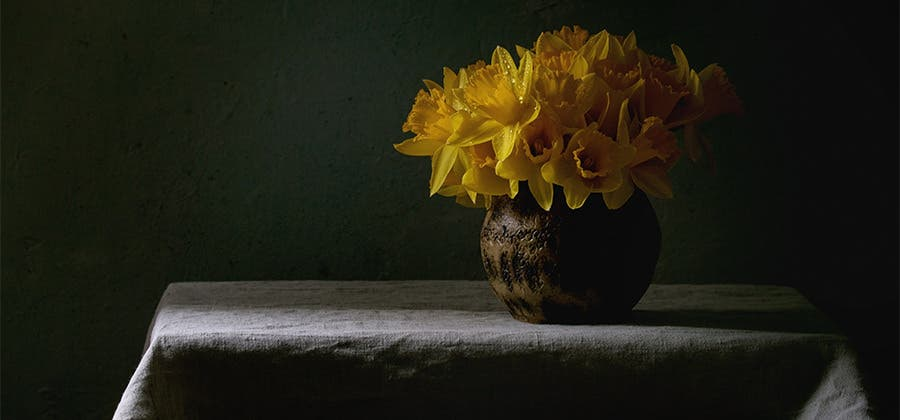
Moody Lighting : Dark, cinematic, contrast-heavy styles.
Flatlays : Top-view shots that look organized and aesthetic.
Natural Lifestyle Aesthetics : Soft light, warm tones, cozy home setups.
Vibrant Color Pops : Bright, bold colors highlighting objects.
Macro Textures : Close-up shots showing fabric, jewelry, or product textures.
These trends bring freshness and modernity to still photography.
